
When the cards land on a hard 15 and the dealer shows a ten, most players reach for the same tired playbook without pausing to weigh their own priorities. That habit gets expensive, especially when you are playing on a phone between meetings or after a long shift. If you are weighing how a platform handles the moment, you can check chicken road inout for a sense of how the lobby is laid out on mobile. The right approach is less about chasing a miracle and more about choosing a table environment that respects your time, your bankroll, and the way you actually want to play.
A Different Priority for the Same Tough Spot
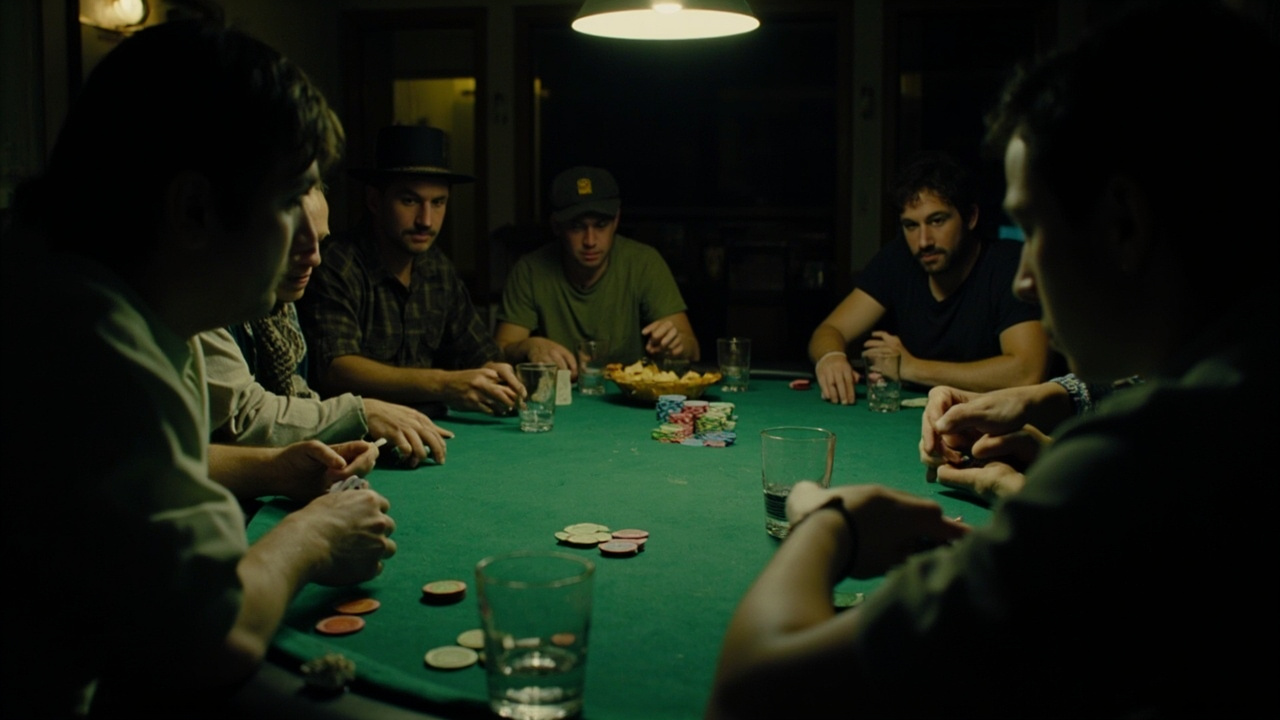
Blackjack strategy hard 15 versus dealer 10 is usually taught as a rigid rule, but the real decision point is about what you value when the odds are stacked against you. Some players want a quiet, fast table where the pace is controlled and the interface does not fight them on a small screen. Others care more about the feel of the shoe, the clarity of the dealer animation, or how the game responds when you tap stand on a crowded arvo session. The difference matters because a hard 15 against a ten is a moment where the math is unforgiving and your patience gets tested. Picking a product that keeps the layout clean, the bet controls obvious, and the hand history visible means you are not squinting at a cramped panel when the decision is already tight. I have seen recruitment workflows where the same rigid checklist gets applied to every role, regardless of whether the position needs speed or precision, and the result is always the same: the process drags and the outcome suffers. A better fit is to match the table to the kind of session you are running, not to force your play into a one-size-fits-all script. Blackjack Decisions When a 15 Faces
Mobile Fit and the Moment You Actually Make the Call
Most of the decisions around blackjack strategy hard 15 versus dealer 10 happen on a phone, and the mobile experience needs to earn that reality rather than pretend it is an afterthought. A responsive table that loads without a laggy shuffle animation, keeps the bet slider within reach, and does not bury the action buttons behind a cluttered header is the difference between a calm read and a rushed mistake. Navigation should let you move between tables, check your balance, and adjust stakes without losing the hand you are mid-way through. Performance matters just as much when the connection is patchy in regional Queensland, where a drop in speed can turn a clear stand decision into a second-guess. I have coordinated remote hiring across time zones where a clunky portal turned simple approvals into a headache, and the same principle applies here: if the tool fights you at the point of action, the process breaks down. A platform that keeps the screen focused on the cards, the dealer up-card, and your current wager gives you a better shot at playing the hand on your terms instead of fighting the interface. chicken road inout
Bankroll, Pace, and the Reality Behind the Hand
Money management is where blackjack strategy hard 15 versus dealer 10 stops being a card question and starts being a session question. The hand itself is a tough one, and no platform can change that, but the way stakes, bonuses, and withdrawal timing are set up can either steady your rhythm or throw it off. A clear bonus structure that does not hide turnover demands behind vague wording helps you plan a session instead of reacting to it. Same goes for payments in Australian dollars and a registration flow that does not ask for the same detail three times just to get to the tables. Support that responds without making you repeat your account number is part of the same picture, because a hard 15 versus a ten is the kind of moment where you want the table to behave, not a help queue to wade through. The broader industry has seen its own shocks, like Macau’s VIP gambling being reshaped by China’s anti-corruption campaigns, and those shifts remind us that the environment around the game changes whether we like it or not. Loyalty features can be useful if they actually reward regular play without making the terms feel like a maze, but they should never be the reason you sit down in the first place.

The hand is always going to be a difficult one, and the smartest move is to treat it as a test of your setup rather than a puzzle to solve. Choose a table that keeps the screen clear, the pace under your control, and the money details plain, then play the moment with the same discipline you would bring to any tight decision.